What Is Environmental DNA?
Environmental DNA (eDNA) is genetic material shed by organisms into their surroundings. eDNA materials can span skin cells, mucus, faeces, gametes, products of decomposition, and for microbes and other small things, even whole organisms. By sampling water, soil, or even air, we can detect which species are present without ever seeing or disturbing them.
A Non-Invasive Revolution in Ecology
Traditional ecological surveys rely on trapping, netting, or visual observation — methods that are time-consuming, expensive, and can harm the very organisms being studied.
eDNA offers a paradigm shift: a single water sample can reveal the presence of fish, amphibians, invertebrates, plants, and even bacteria — simultaneously.
eDNA has rapidly expanded to become a cornerstone of modern biodiversity monitoring worldwide. It is now used across freshwater, marine, and terrestrial ecosystems, using samples that vary from water, to sediments and soils, to air.

How eDNA Analysis Works
Sample Collection
Water, soil, or air samples are collected from the environment. Every sample contains traces of DNA shed by organisms living in or near it.
DNA Extraction & Amplification
In the lab, DNA is extracted from the sample and amplified using PCR or metabarcoding techniques to target specific genetic markers.
Sequencing
Next-generation sequencing (NGS) reads millions of DNA fragments simultaneously, generating vast datasets of genetic information.
Bioinformatics & Reporting
Advanced bioinformatics pipelines match sequences against curated reference databases to identify species present in the environment.
Some Uses of eDNA
Our eDNA expertise supports decision-makers across government, industry, and research.
Biosecurity
Early detection of invasive organisms at borders, ports, and in waterways — before populations establish.
Conservation
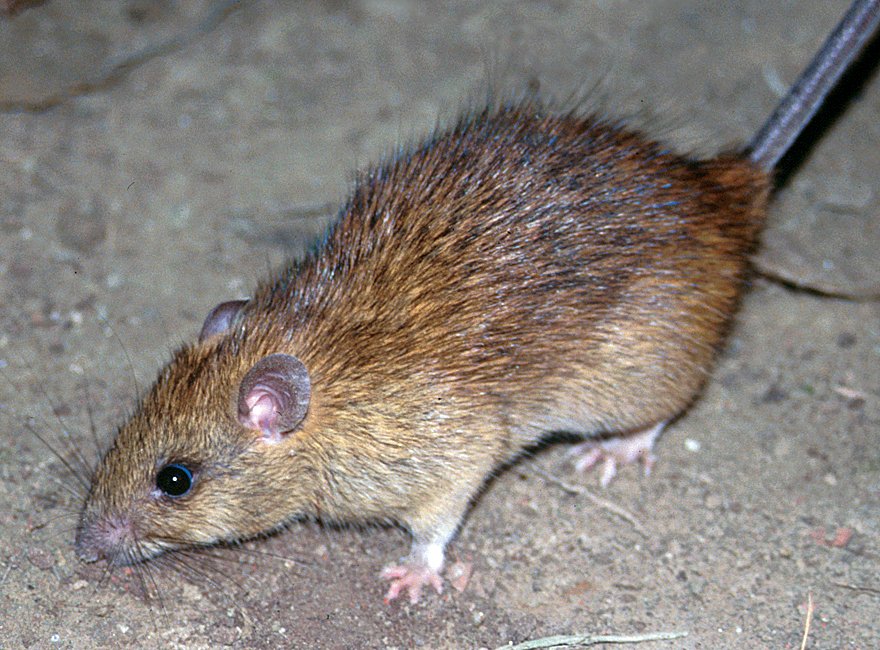
Non-invasive monitoring for threatened species, habitat protection, and recovery programme evaluation.

Environmental Assessments
Biodiversity baselines and compliance monitoring for consenting, construction, and ongoing environmental monitoring and management.

Disease Surveillance
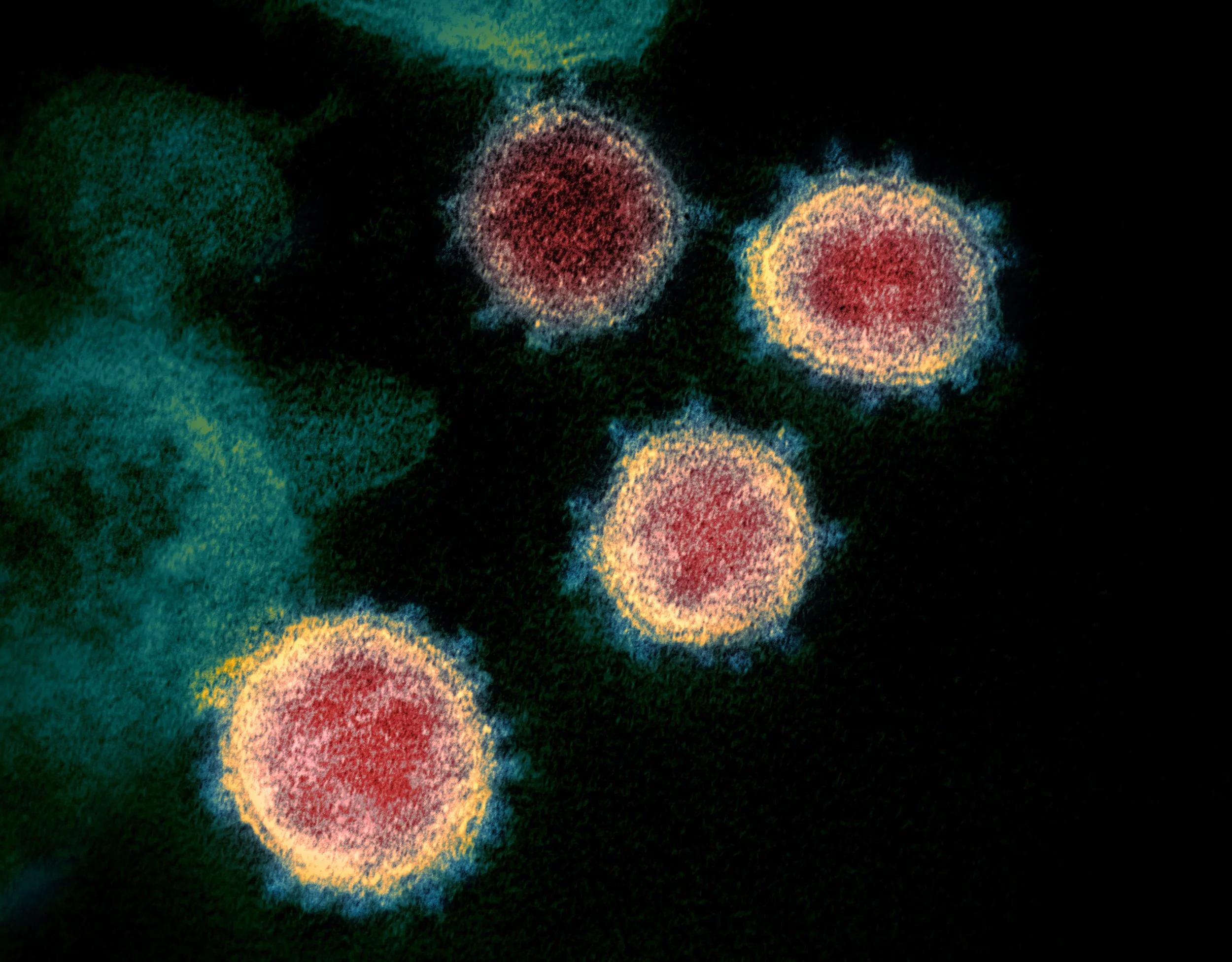
Detecting pathogens such as COVID-19 and Highly Pathogenic Avian Influenza in wastewater and other environmental samples